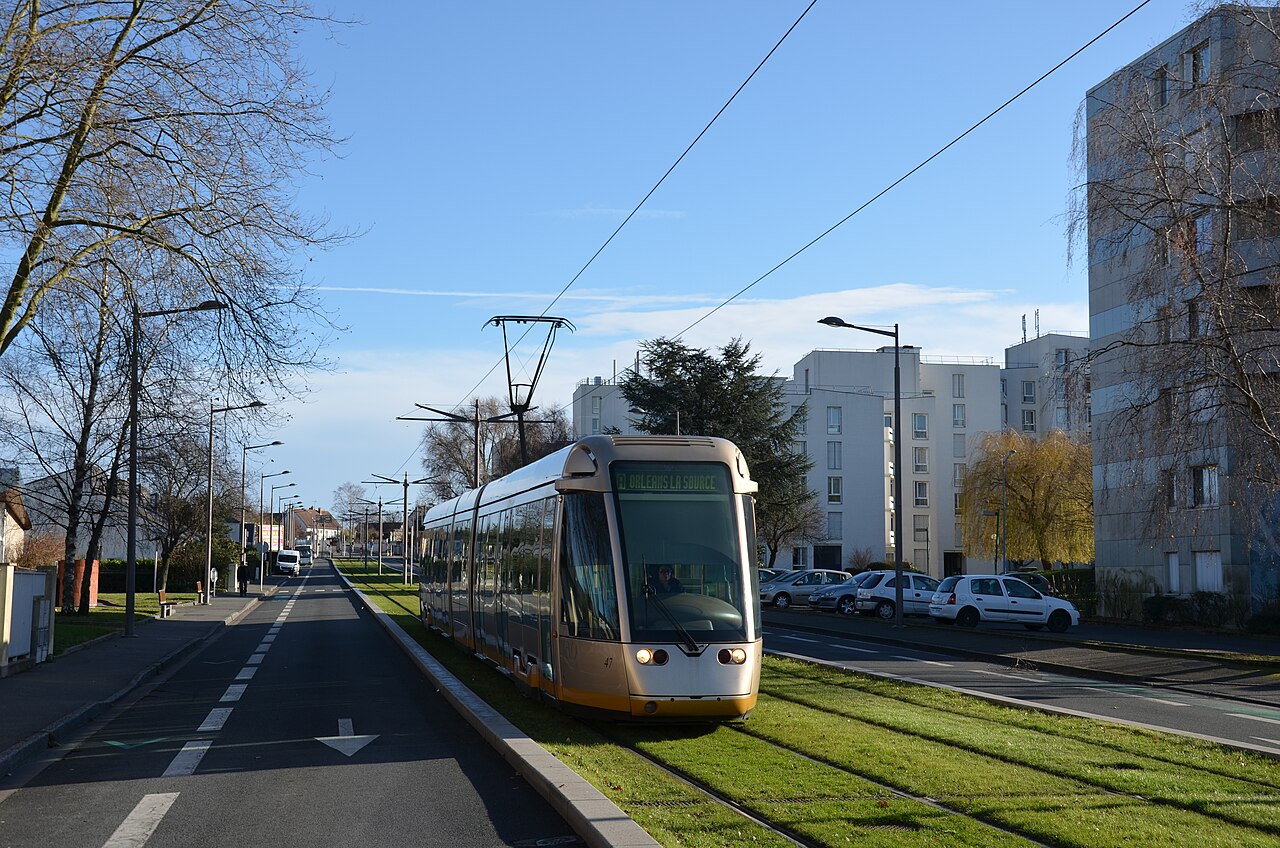
Image: Foto: Wikimedia Commons · License: cc-by-sa
Ultra-light trains and trams: the UK's bet to make light rail cheaper and bring it to medium-sized cities
Ultra-light trains and trams: the UK's bet to make light rail cheaper and bring it to medium-sized cities
Main source: Light Rail Now - light rail transit (LRT), trams, tramways, streetcars, rail transit, Innovative very light trains and trams to come from the United Kingdom? - Urban Transport Magazine, VLT de Brasília revoluciona transporte urbano com inovação elétrica - O Cafezinho · By The Rail Post Desk
Rails are the material geometry of the future, and the United Kingdom is at the forefront of creating innovative solutions for light rail systems that can transform urban mobility.
Rails are the material geometry of the future, and the United Kingdom is leading innovation with the development of ultra-light trains and trams. This initiative promises to make light rail systems viable for medium-sized cities, drastically reducing costs and vehicle weight. Although the focus is on the UK, the innovations have directly relevant implications for Brazilian cities such as Brasília and Baixada Santista, where implementation costs represent a significant challenge. According to Urban Transport Magazine, the UK seeks a high degree of competitiveness in terms of investment and operational costs of public transport.
The main project, the Very Light Rail National Innovation Centre (VLRNIC), is located in Coventry and Dudley, in the United Kingdom. The centre was inaugurated in 2021 and features a prototype workshop, test track, and laboratories. The test tracks have been in operation since 2022, allowing the start of testing of the ‘Shuttle’ and ‘Revolution’ prototypes.
The ‘Shuttle’ is 11 m long and weighs about 1.1 t/m, while the ‘Revolution’ is 18 m long and has a target price between £1.2–1.5 million, about half the current market rate. The ‘Shuttle’ is particularly innovative because its permanent way eliminates the need for major diversions of underground utilities, allowing for quick and cheap installation. This means that the cost per km of line can be reduced to around £10 million, compared to the traditional £25–50 million/km, making the system more accessible for smaller cities.
Coventry, for example, is planning a 7 km line linking the railway station to the University Hospital (UHCW). The additional investment of £44.2 million from the West Midlands Combined Authority (WMCA) aims to develop the light rail vehicle automation system and fund the construction of the first line. The city has concluded that modal shift away from cars is the only way to reduce congestion and emissions, something that has already been demonstrated in cities with tram systems.
In Brazil, the Brasília light rail is an example of similar innovation. With a total system budget up to 2026 of R$ 3.8 billion, the system uses conventional overhead catenary. The use of this technology not only preserves the visual integrity of the capital, but also represents an advance in terms of energy efficiency and engineering, minimizing visual and environmental impact.
The Baixada Santista region is also exploring the implementation of a light rail system. The project, developed by SYSTRA Vetec, includes consolidating the Functional Design of the Integrated Metropolitan System (SIM) and preparing the Basic Design for the Barreiros-Porto section. The goal is to create an efficient and sustainable public transport network, integrating different modes and improving mobility in the region.
Innovation in light rail in the UK and its applications in Brazil demonstrate the potential of these technologies to transform urban mobility. With reduced costs and vehicle weight, medium-sized cities can benefit from modern and efficient transport systems, promoting sustainability and quality of life.
Signature: Editorial Team