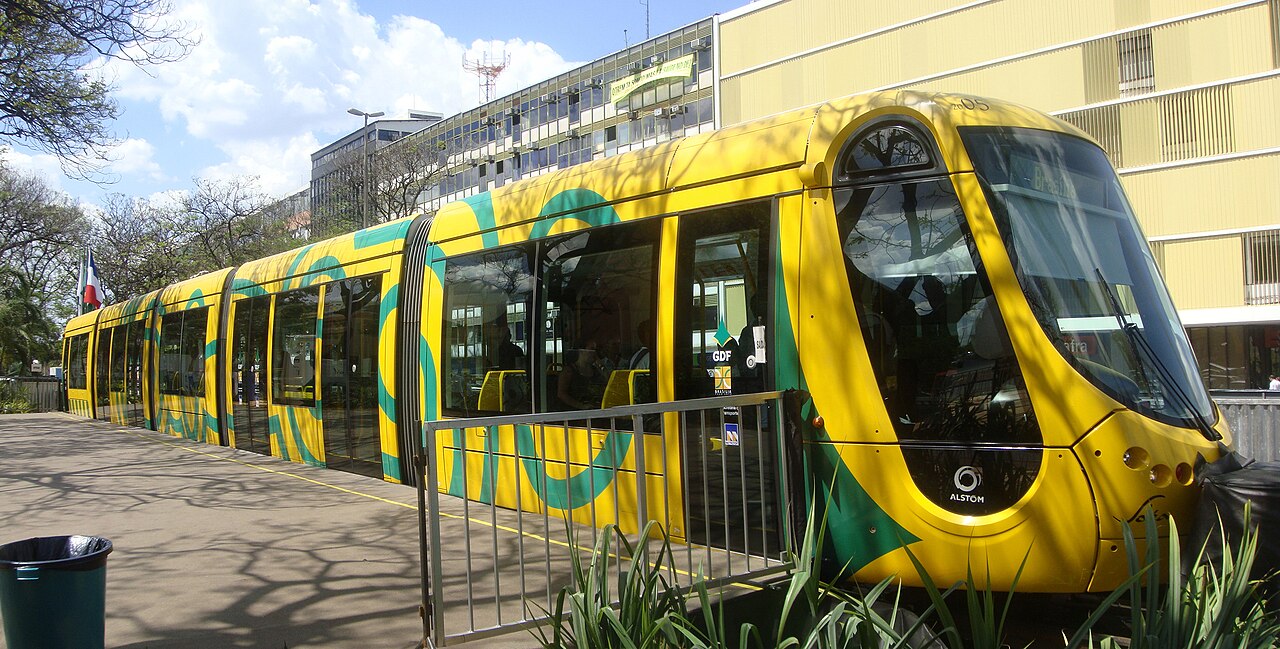
Image: Foto: Wikimedia Commons · License: cc-by-sa
High Speed: The Architecture of Modern Development
High Speed: The Architecture of Modern Development
Main source: High-speed rail, Fact Sheet | High Speed Rail Development Worldwide | White Papers | EESI, High speed trains – Mediarail.be – Rail Europe News · By The Rail Post Desk
The advancement of high-speed railways reflects the march of civilization, organizing urban mobility and driving economic development.
"Speed is also a form of civilization", says a proverb that highlights the essence of high-speed transportation. In this dizzying universe, tracks are not just a mode of transit; they symbolize modernity in motion, a link between cities, a fine sand of the productivity clock, and a driver of regional development.
Although Brazil is known worldwide for its extensive highways and a transportation infrastructure that still challenges the imagination today, the country finds itself at the epicenter of a mobility paradigm that demands a new strategic approach. Investment in high-speed railways and metros is no longer an option; it becomes an imperative for sustainable development and the economic integration of the country.
As points out the Aecom report, high-speed infrastructure involves much more than track construction. It is the integration of a network that encompasses strategy, planning, design, engineering, program management, and digital delivery, aiming to optimize performance and value in the long term.
The impact is multifaceted, from reducing travel time, increasing transportation capacity, improving international connectivity to promoting sustainable mobility. The EESI highlights that countries like China and Europe have already recognized the potential of these projects over the last decades, and Brazil should not be an exception.
High speed not only opens new horizons for urban mobility but also reconfigures the economic landscape, allowing us to travel faster and more comfortably. The Mediarail reports success cases around the globe, where liberalization and innovation have transformed the daily routine.
The success factors for high-speed projects, according to research conducted by the UIL, include a service-focused approach and providing value in the transportation market, the need to avoid political renegotiation, and the importance of productive relationships with the private sector.
High speed is a symbol of modernity, a catalyst for development, and a tool for regional integration. For Brazil, it is crucial to recognize this reality and align infrastructure strategies so that speed becomes a vehicle for national progress.
SOURCES OF REFERENCE: