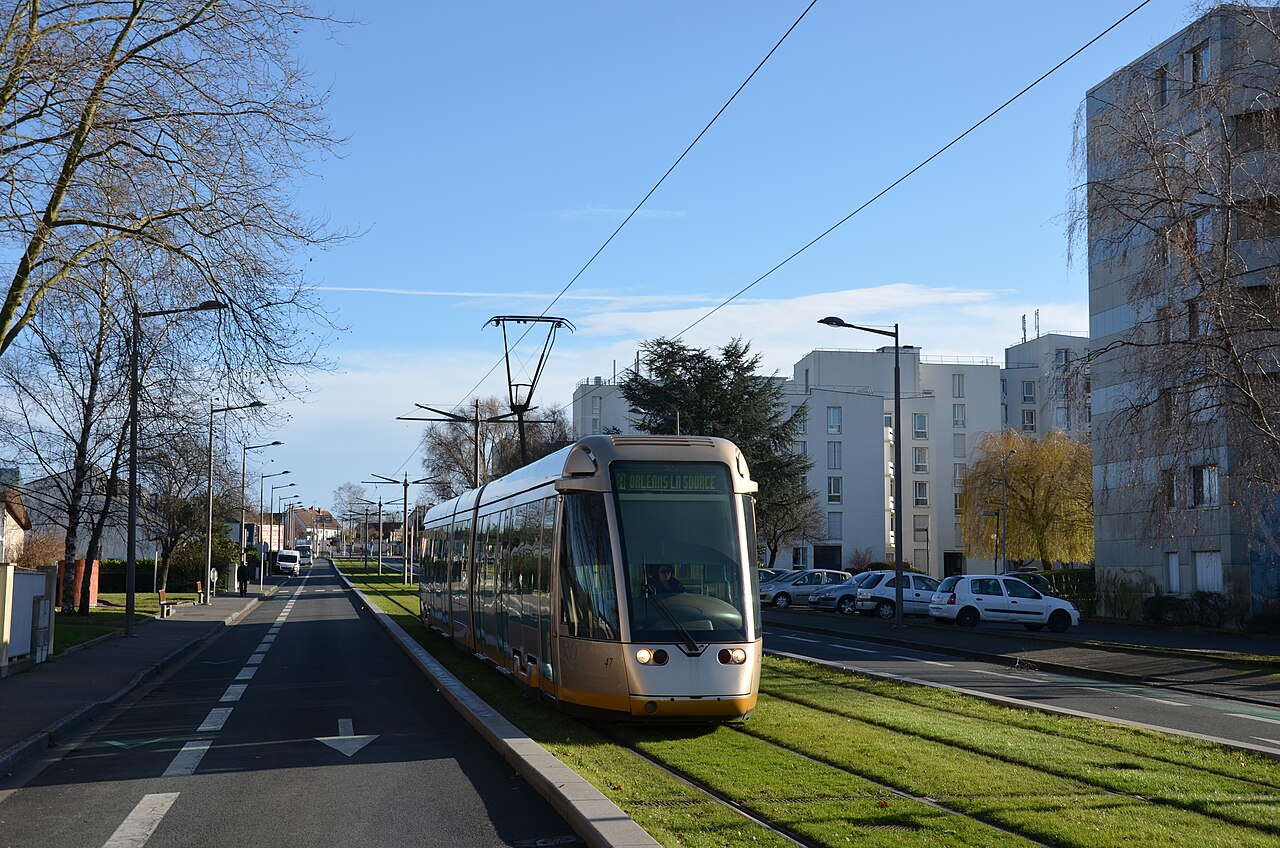
Image: Foto: Wikimedia Commons · License: cc-by-sa
VLT of Baixada Santista: technical innovations and integrated planning for metropolitan mobility
VLT of Baixada Santista: technical innovations and integrated planning for metropolitan mobility
Main source: VLT da Baixada Santista - SYSTRA Brasil, Alstom’s Light Rail Advances Ripe for North American Market | Metro, FUTURO NAS RUAS: mobilidade urbana ganha projetos inovadores - GVBus · By The Rail Post Desk
Rail technology as a tool for metropolitan planning and conquest of social time in Baixada Santista.
When technique organizes space, society gains time to live. The Light Rail Vehicle (VLT) project of the Baixada Santista, which will connect the region of Barreiros, in São Vicente, to the Port of Santos, materializes this premise with precision. It applies global mobility innovations to a complex and densely populated urban setting.
The route of the future system, a metropolitan backbone, will make use of the exclusive right-of-way of the former Samaritá-Porto railway. It reactivates a decommissioned corridor with contemporary logistic intelligence. The elaboration of the functional and basic project, developed by the engineering of SYSTRA Vetec in Brazil, reveals the ambition to consolidate a transport network that transcends the simple installation of tracks.
The initiative stems from a vision of intermodal integration and reorganization of the collective transport network. The region is home to 1.8 million inhabitants and the largest port in South America, the Port of Santos. The consolidation of the functional project required demand studies and simulation of the new dynamics of displacements. The goal is to rationalize flows that intensify during the high season, when the floating population puts pressure on the existing road infrastructure.
The choice of the VLT as the structuring technology for the Metropolitan Integrated System (SIM) is not trivial. It brings with it a leap in operational quality. The convergence of three technical innovations in modern rolling stock – full low floor, high cruising speed, and ground-level power supply (APS) – offers the urban planner a precision tool to stitch together the city fabric.
The elimination of the catenary through the APS system, developed and globally proven by the industry, is a gesture of respect for the landscape heritage. It is also a financial engineering solution for complex routes with numerous intersections and bridges. This system, called Alimentation Par le Sol, debuted worldwide in the French city of Bordeaux. Since then, it has been replicated in Dubai and in dozens of projects. It allows the operation of consists totally free of overhead wires for any distance. The Alstom VLT platform has already sold more than 1,500 vehicles with full low floor and the capacity to reach 104 km/h.
Universal accessibility, guaranteed by level boarding with the platform, ceases to be a legal appendage. It becomes the essence of the system. The elimination of any internal step or ramp transforms the vehicle into a democratic and agile public space. It shortens boarding and alighting times at stops. Consequently, it raises the commercial speed of the entire line.
The mere discussion about competition between the VLT and Bus Rapid Transit (BRT) loses force in the face of an analysis of the total life cycle cost of the infrastructure. Especially in the context of population expansion that demands decades of intense service. Although the initial capital investment in BRT is lower, the VLT responds with superior energy efficiency. It offers braking energy recovery and a drastically reduced permanent way maintenance cost over the years.
The Dualis platform, exemplary of this technical evolution, meets rigorous North American crash resistance standards and accessibility laws. It demonstrates that railway robustness is not incompatible with the lightness of a vehicle that blends into the landscape as a natural architectural element. It is observed that the financial entry barrier for these systems can be overcome through private concessions or alternative financing designs. They enable the construction of the line in progressive phases, starting with a restricted, high-density section, such as Barreiros-Porto itself.
The Baixada Santista project contemplates this essential modularity in the specification of fixed systems. It includes control signaling, telecommunications, and the operational control center. The sizing of maintenance yards and the structuring of a modern fare collection system, integrated with bicycle parking facilities and a cycle path network adjacent to the track, indicate that the VLT was conceived as the main axis of active and connected mobility.
By reorganizing the road system in the area of influence of the former railway and consolidating transfer terminals that capture the feeder bus lines, the VLT of Baixada Santista exerts a power of land restructuring. Asphalt will never achieve this power. The implementation of the permanent way superstructure and the special works of art, such as tunnels and retaining walls foreseen in the basic project, transforms an inherited problem of a decommissioned line into a vector of real estate appreciation and qualification of public space.
It is a technical and social learning that connects the experience of São Vicente and Santos to the silent revolutions occurring on the rails of cities like Reims or Jerusalem. The history of technique repeats itself with modern guise: when the rails return to the center of the mobility strategy over the heritage of a decommissioned railway, the result is not a nostalgic museum. It is the reconquest of the useful time of an entire population that spends fewer hours stopped and gains more hours to live the city.
Signature: Editorial Staff.