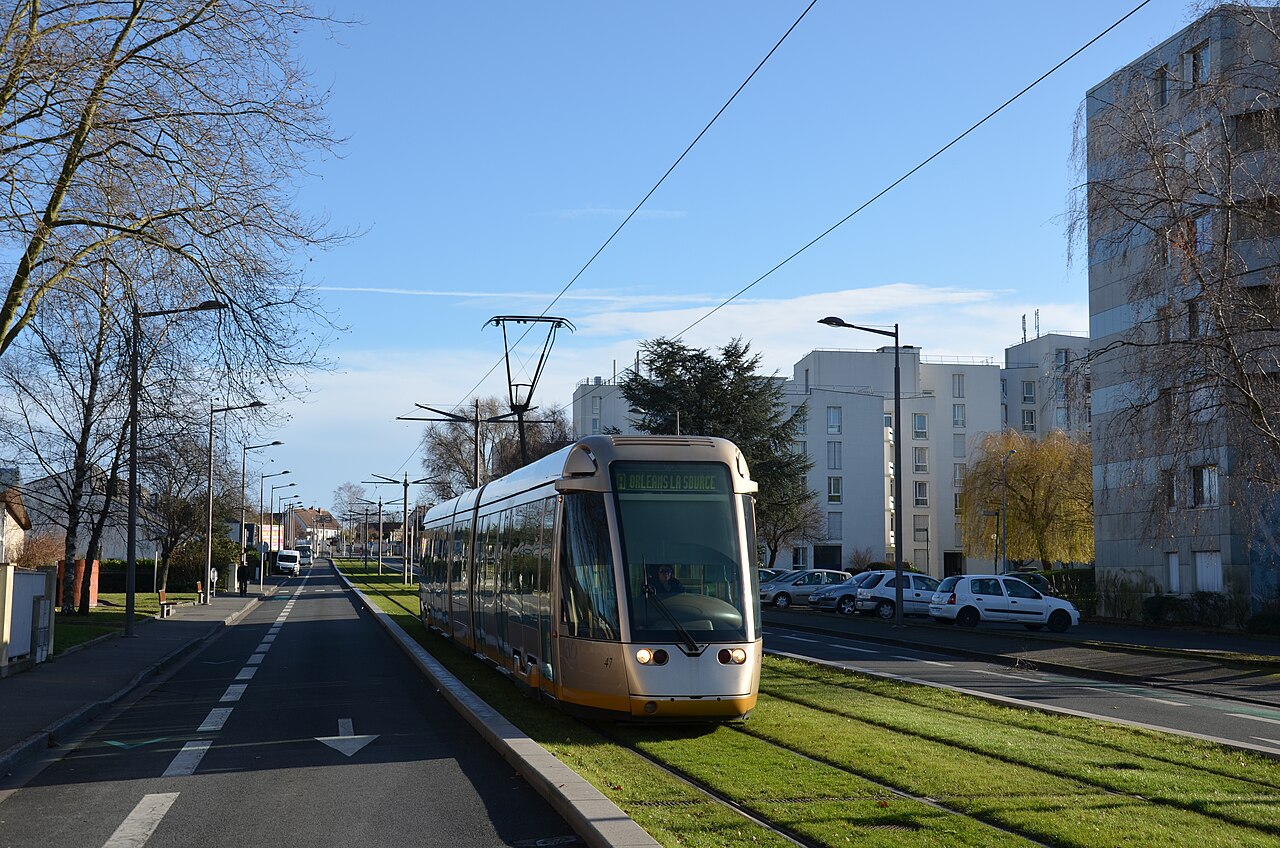
Image: Foto: Wikimedia Commons · License: cc-by-sa
VLT Reborn in Brazil: Salvador Inaugurates Modern System and Other Cities Follow Suit
VLT Reborn in Brazil: Salvador Inaugurates Modern System and Other Cities Follow Suit
Main source: Conheça 9 projetos de VLT no Brasil -, Notícias - Mobilize Brasil, Brasil e China firmam parceria que prevê ferrovia ligando Atlântico e Pacífico | G1 · By The Rail Post Desk
The rebirth of Light Rail Vehicles (VLT) in Brazil gains momentum with the inauguration of the system in Salvador, demonstrating the effectiveness of this mode of urban transport.
Speed is also a form of civilization. This maxim takes on new meaning with the rebirth of Light Rail Vehicles (VLT) in Brazil, especially with the inauguration of the system in Salvador, Bahia. This project, which combines modern technology with sustainable solutions, represents a significant advancement in urban mobility.
The first station of the Salvador VLT, Calçada, was recently inaugurated, marking the beginning of a new era for the city. The initial 4 km stretch to Lobato is in the testing phase, with free operation during this period. The trains are equipped with stainless steel counters, meeting local demands, such as those of shellfish gatherers, and demonstrating the system’s integration with the daily life of the population.
Brazil already has two electric VLT systems in operation, in Rio de Janeiro and Baixada Santista, in addition to six diesel-powered ones. With the inauguration in Salvador, the country takes another important step towards sustainable and efficient urban mobility solutions. The Salvador VLT, with its overhead catenary and semi-segregated operation, offers a viable and modern alternative for mobility, improving citizens’ quality of life and reducing environmental impact.
According to the Via Trolebus portal, the Salvador system is just the beginning, with other projects underway in several Brazilian cities. In Campinas, for example, the VLT plans 44 km of tracks, divided into two branches of 22 km each, with 18 stations. Bidding is scheduled for 2027, and the system could come into operation in the following decade.
In Sorocaba, the project will take advantage of the existing railway network, with 25 km and 13 stations, reinforcing local mobility and creating a connection with the TIC Eixo Oeste towards São Paulo. The concession is expected to be launched in 2028, with operation also planned for the 2030s. These projects, financed by private concessions and with support from BNDES, represent a serious commitment to modernizing transport infrastructure.
Other projects in development include the VLT between Curitiba and São José dos Pinhais, with an extension to Afonso Pena Airport. Technical, economic, and environmental feasibility studies are underway, with support from BNDES. In Niterói, the federal and municipal governments have approved R$ 450 million for financing the VLT, which will have 5 km and 9 stations, connecting the Barreto neighborhood to the Center (João Goulart Terminal). The proposal is part of a plan to restructure local urban mobility, aiming at physical-fare integration with other modes.
In Vitória, the project includes three VLT lines with double track and electric vehicles, physically and fare-integrated with other modes in the Greater Vitória Metropolitan Region. The system aims to improve efficiency and accessibility, providing a more comfortable and faster transport experience for citizens.
The Fortaleza VLT, in turn, is preparing to inaugurate a new 2.4 km branch to the Airport, allowing residents and tourists to travel from the urban area to the air terminal. These projects are not just promises, but realities under construction, backed by technical, economic, and environmental feasibility studies, and financial support from institutions such as BNDES.
The rebirth of VLTs in Brazil reflects a commitment to modernization, sustainability, and improving the quality of life in cities. With the inauguration of the system in Salvador and the advancement of projects in other cities, Brazil is firmly moving towards more efficient and inclusive urban mobility.