Image: Foto: Wikimedia Commons · License: cc-by-sa
San Fernando Valley reclaims the rail after 70 years with billion-dollar light rail and social justice
San Fernando Valley reclaims the rail after 70 years with billion-dollar light rail and social justice
Main source: Prefeitura conclui estudo urbanístico e avança com projeto de Veículo Leve sobre Trilhos (VLT) para o centro de São Paulo - São Paulo Urbanismo - Prefeitura, VLT da Baixada Santista - SYSTRA Brasil, L.A. Metro Lands $893M from Feds for Light Rail Transit Project · By The Rail Post Desk
The return of light rail transit to one of Los Angeles’ poorest and most bus-dependent corridors is a milestone of engineering, equity, and institutional persistence.
The last electric streetcar of the Pacific Electric Railway ran along Van Nuys Boulevard in 1952. Since then, the San Fernando Valley has lived with a rail void that condemned hundreds of thousands of workers to slow and congested buses. Seventy years later, the silence of the rails is about to be broken by a $3.57 billion project that brings Light Rail Transit (LRT) back to the region with scale, speed, and a social engagement plan unprecedented in the United States.
Los Angeles Metro CEO Stephanie Wiggins underscored the urgency of the project with a striking statistic. Thirty-five percent of households in the eastern San Fernando Valley rely on Metro for mobility. The new line will provide them with faster and more efficient service than they have ever had. The statement was made during the announcement of the federal grant that unlocked the construction, as reported by Metro Magazine coverage that detailed the financing numbers.
The East San Fernando Valley Light Rail Transit Project will be 10.8 kilometers long, with 11 new stations along Van Nuys Boulevard. Opening is anticipated in 2031. The U.S. federal government formalized a contribution of $893 million through a Full Funding Grant Agreement (FFGA). This instrument guarantees the execution of the work under the Expedited Project Delivery Pilot Program. The program accelerates fixed-guideway projects with proven social impact. The total cost of $3.57 billion positions the undertaking as one of the largest single investments in public transit for low-income communities in California in the last decade.
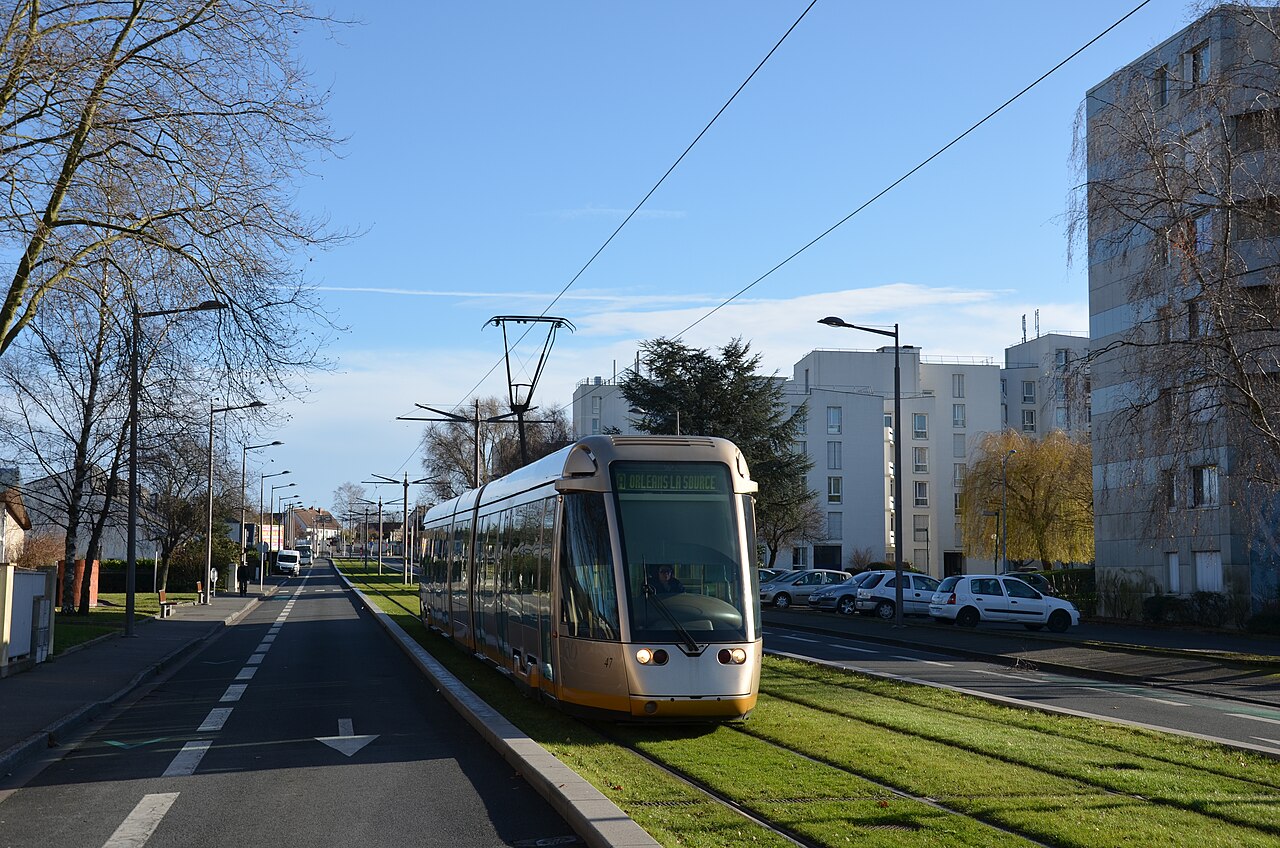
Unlike the nostalgic streetcars that run in tourist memorials, the San Fernando Valley LRT will be a modern system. It will feature exclusive segregated right-of-way, overhead catenary power supply, low-floor vehicles for accessible boarding, and integrated control signaling. These characteristics allow competitive headways. The technical choice of low-floor eliminates the need for complex elevated platforms. This reduces station costs and improves integration with the urban streetscape of densely populated neighborhoods such as Van Nuys, Panorama City, Arleta, and Pacoima. The overhead catenary, in turn, ensures constant acceleration and energy regeneration capability during braking. A significant environmental gain for a corridor that moves tens of thousands of daily passengers in replacement of diesel buses.
The social geography of the project is brutally clear. Nineteen percent of households in the area do not own a car. A public transit dependency rate more than double the Los Angeles County average. The new line will connect these riders to 150,000 existing jobs along the corridor. It will also offer regional connections to Metrolink, Amtrak, Metro G Line (Bus Rapid Transit), and Metro B Line (heavy rail subway). Construction and operation of the system are expected to generate over 18,000 direct and indirect jobs. Local hiring rules were reinforced by the federal infrastructure package and a Project Labor Agreement. This prioritizes workers from the impacted communities themselves.
There is an innovative component that escapes the radar of civil engineering. The East San Fernando Valley Light Rail is the first Metro Los Angeles rail project to include a Cultural Competency Plan. It is a contractual requirement that obliges the construction consortium to implement strategies of genuine engagement with the local population. Considering the ethnic and linguistic diversity of the corridor. Metro Board Vice President Jacquelyn Dupont-Walker emphasized that the plan involves workforce training, business opportunities for local small entrepreneurs, and active communication. This allows residents, community groups, and institutions to understand what is being built in their neighborhoods and what partnerships the rail line can offer.
The movement to reclaim LRT as a development tool is not a California exclusive. Brazil advances slowly, but with real projects that are beginning to materialize. Functionally robust studies, such as the Bonde São Paulo, whose urban study was completed by the City Hall, point to a direct impact on the requalification of the Luz and Historic Triangle regions. According to official data from SP Urbanismo. In the Baixada Santista, the functional design of the Barreiros-Porto LRT, consolidated by SYSTRA Vetec, detailed specifications for rolling stock, permanent way, signaling, and control centers compatible with the most demanding international standards of metropolitan mobility. As demonstrated by the technical records of the French consultancy.
The difference between the Brazilian and Californian projects lies not in the quality of conceptual engineering. But in the ability to execute an FFGA and to shield the financing from short-term political crises. While São Paulo advances with PMIs and PPP models still under analysis, Los Angeles already has the federal money signed. Underground utility works are underway, preparing the bed of Van Nuys Boulevard to receive the rails that will begin to be laid in the coming months. The 4-kilometer northern segment, which could extend service to the Sylmar/San Fernando Metrolink station, remains under complementary study. It could further amplify the system’s capillarity.
What is at stake in the San Fernando Valley is not just mobility. It is the correction of a historical fracture that left mostly Latino and low-income communities stranded in a transit desert. The return of rail to Van Nuys Boulevard ends seven decades of railway abandonment. It proves that LRT, when treated as state infrastructure and not as cosmetic urban furniture, is capable of rewriting the opportunity map of an entire metropolis.