Image: Foto: Wikimedia Commons · License: cc-by-sa
Salvador inaugurates first Suburb VLT station and projects a new era for Brazilian urban rails
Salvador inaugurates the first station of the Suburb VLT and envisions a new era for Brazilian urban rails
Main source: Conheça 9 projetos de VLT no Brasil -, Notícias - Mobilize Brasil, Brasil e China firmam parceria que prevê ferrovia ligando Atlântico e Pacífico | G1 · By The Rail Post Desk
The arrival of Calçada Station reignites the debate on the potential of Light Rail Vehicles as vectors of urban development and social inclusion in Brazil
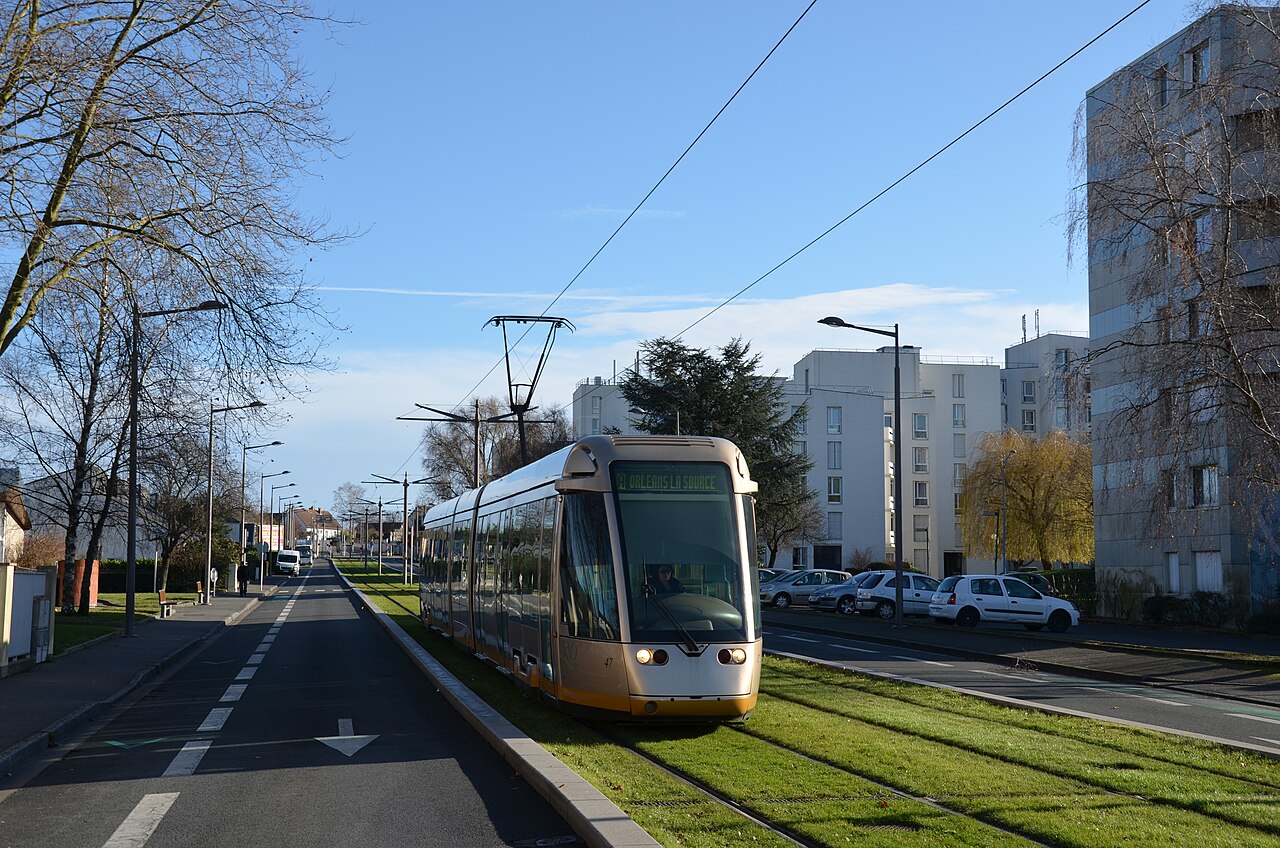
Every great city reveals its intelligence by the way it moves people. Salvador has just taken an eloquent step in that direction with the inauguration of the first station of its Light Rail Vehicle. On April 17, the Bahian capital opened the doors of Calçada Station, the gateway to the Suburb VLT. The initial 4-kilometer stretch, extending to the Lobato neighborhood, has entered the testing phase and operates free of charge for the population. The project is part of an ambitious requalification of the Ferroviário Suburb and envisions nine stations along approximately 5 kilometers of double track. The infrastructure employs a technical menu already consolidated in modern systems: overhead catenary for electric power and low-floor trains that eliminate steps. These choices are not cosmetic. The low floor speeds up boarding, reduces headways between trains, and removes the barrier for wheelchair users, strollers, and light loads. The double track, in turn, allows for higher frequencies and frees operations from the tyranny of crossing between trains in opposite directions. The most revealing detail, however, lies inside the trains. Stainless steel countertops were installed to serve fishermen and shellfish gatherers who transport their baskets, work materials, and daily sustenance between the waterfront stations and the lower city markets. This is engineering that not only designs the vehicle but anticipates the gesture of those who will use it. The surface station, open and integrated into the urban fabric, avoids underground confinement and prioritizes stitching with the neighborhood rather than isolating the passenger. While Salvador tests its tracks, Brazil currently counts two electric VLT systems in operation — in Rio de Janeiro and Baixada Santista — and six others running on diesel. The scenario, however, is far from static: nine VLT projects are under study, bidding, or implementation across the country. The São Paulo Tramway foresees two lines connecting the historic center to Bom Retiro, with environmental studies assessing electric and even hydrogen-powered versions. And Line 14-Ônix, between Guarulhos and Santo André, will have 32 kilometers of semi-segregated track combining elevated sections, tunnels, and surface. Campinas plans 44 kilometers of rails divided into two branches, stitching three municipalities together and connecting the urban center to Viracopos Airport. Sorocaba, in turn, intends to utilize the existing railway network to implement 25 kilometers of VLT integrated with the future TIC Eixo Oeste. Curitiba is evaluating replacing the Boqueirão BRT axis with rails and extending the line to Afonso Pena Airport in São José dos Pinhais. In the Greater Vitória Metropolitan Region, the alignment foresees three double-track lines with electric vehicles integrated fare-wise with buses and ferries. Niterói approved R$ 450 million in federal funding for a 5-kilometer VLT with 10 stations connecting Barreto to the João Goulart Terminal. Florianópolis has resumed studies under the Sustainable Urban Mobility Plan for a system that complements existing modes on the island. The multiplication of these projects is no accident. The VLT occupies a blind spot in Brazilian mobility: between the bus, which battles asphalt with cars and suffers congestion, and the metro, which demands billion-dollar excavations and implementation timelines that drag on for decades. With capacity to transport between 15,000 and 40,000 passengers per hour per direction, the VLT operates in partial right-of-way segregation — it competes for space but with traffic signal priority and its own rails that isolate it from the indiscipline of general traffic. It is a medium-capacity mode with an implementation cost far lower than the metro. Salvador’s example reveals yet another layer. The Suburb VLT is not just a vector of displacement: it is an instrument of urban repair, restoring transport dignity to a region historically treated as a dumping ground for problems by public administration. The first station materializes, in concrete and stainless steel, the understanding that mobility is also health policy, access to work, and the right to the city. Each train departing from Calçada will carry with it more than passengers: it will carry the demonstration that rails are not nostalgic obsolescence but mature development technology. The VLT, when well designed, gives back to cities something that buses and automobiles stole from them: predictability. Those who wait on the platform know that the rail is a physical commitment to the route — without detours, without shortcuts, without route improvisations that disorient the user and fragment the territory. Salvador inaugurated more than a station. It inaugurated the practical demonstration that Brazil can, with technical decision and social sensitivity, reclaim rails as the backbone of urban mobility.