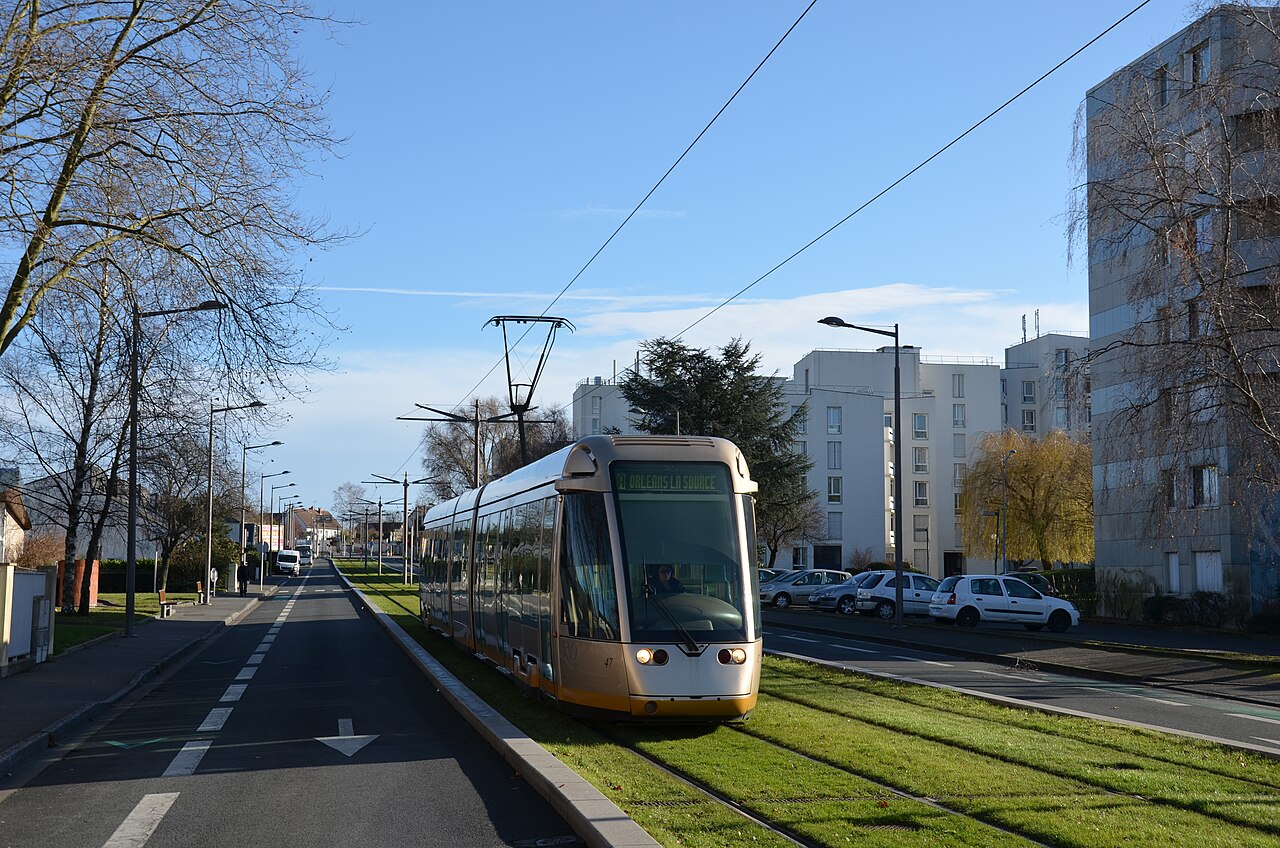
Image: Foto: Wikimedia Commons · License: cc-by-sa
Salvador's LRT: When Tracks Return to the Suburbs — and Bring a Skatepark, Metro, and Future
Salvador's LRT: When Tracks Return to the Suburbs — and Bring a Skatepark, Metro, and Future
Main source: VLTzação: entenda o plano do Rio para substituir o BRT pelo VLT - ou VLP | G1, Prefeitura apresenta projeto de construção de VLT em São Paulo | Blogs | CNN Brasil, VLT / MONOTRILHO DE SALVADOR | secretaria de desenvolvimento urbano · By The Rail Post Desk
Modernity is not abstract. It has ballast, gauge, energy, and direction.
Modernity is not abstract. It has ballast, gauge, energy, and direction. This statement defines the transformation that rail-based transport is promoting in major Brazilian cities such as Salvador, Rio de Janeiro, and São Paulo. The Light Rail Transit (LRT) emerges as a symbol of a new generation of light systems, integrating reused infrastructure, intelligent modal integration, and concrete energy transition.
The Salvador LRT, an emblematic project, will have an extension of 43.71 km, 50 stops, and physical and operational integration with the metro at two strategic points: Águas Claras and Bairro da Paz. This system, which will revolutionize mobility in the capital of Bahia, also includes significant urban interventions. According to the state’s urban development secretariat, the project foresees the construction of a 5,000 m² Suburb Skate Park, pavement walkways, public lighting, and solutions for historical flooding in areas like Calçada and Comércio. These urban improvements are essential for the revitalization of the region and for improving the quality of life of residents.
The 40 trains for Salvador’s LRT, acquired from the state of Mato Grosso, are undergoing a technical restoration process at the CAF factory in Hortolândia (SP). Dynamic tests of these vehicles are scheduled for the second half of 2025, ensuring that the system is ready to meet the growing demand for public transportation in the city. Multimodal integration, with connections to metro corridors, will allow for more efficient and sustainable mobility, reducing travel time and enhancing the user experience.
In Rio de Janeiro, the ‘LRTization’ project gained momentum and was approved by the City Council, with the support of the government’s base. The proposal, called LRTization, envisages the conversion of the Transcarioca (35.6 km, 45 stations) and Transoeste (44.6 km, 41 stations) BRT corridors into LRT or VLP. The capacity of these new corridors will be 16,000 passengers/hour/direction, maintaining the current level of transportation but with lower operating costs, longer vehicle lifespan, and reduced noise and pollution. The Rio de Janeiro city government, with BNDES support, is studying the implementation of an overhead catenary power supply system, which ensures more efficient and sustainable operation.
In São Paulo, a city that once had electric streetcars, is reviving its railway tradition with structural projects. The budget for the LRT in São Paulo is R$ 4 billion, with R$ 1.3 billion requested from the federal PAC. The project aims to reduce CO₂ emissions by 22,580 tons/year, significantly contributing to the energy transition and air quality improvement in the city. The first works should be completed by 2029, as reported by CNN Brasil.
Multimodal integration is a crucial element in these projects. In Salvador, the physical and operational integration with the metro at Águas Claras and Bairro da Paz will allow for more fluid and accessible mobility. In Rio, the LRTization of the Transcarioca and Transoeste corridors promises a smooth transition from BRT to LRT, utilizing existing infrastructure and avoiding new expropriations. In São Paulo, the revival of the railway tradition with the implementation of LRT lines connecting central neighborhoods represents a significant advance in urban mobility.
Furthermore, the energy transition is a fundamental aspect of these projects. LRTs, equipped with electric pantographs and overhead catenary power supply systems, offer a sustainable and efficient alternative for public transportation. Reducing CO₂ emissions and using clean energy are priorities that align with global climate change mitigation goals.
The modernization of rail-based transport in Brazil, represented by the LRT projects in Salvador, Rio de Janeiro, and São Paulo, signals a new era of urban mobility. These systems are not just equipment but integrated and reused infrastructures that promote a concrete energy transition and improve the quality of life of citizens. The combination of technology, urban planning, and sustainability makes these projects true pillars of modern development.